
Window Treatments

Choosing the right window treatments requires balancing how you want the room to function with how you want it to look.
Here are the key factors you need to consider to make the right choice:
Function and Light Control
-
Light Filtering: Decide if you want a bright room, filtered soft light, or total darkness.
-
Blackout Needs: Blackout shades or heavy drapes are essential for bedrooms and media rooms.
-
Privacy: High-traffic areas or ground-floor rooms require options like top-down/bottom-up shades or sheer curtains.
-
View Preservation: Solar shades reduce glare and heat while letting you see outside.
Window Type and Architecture
-
Operation Method: Consider how the window opens (crank, sliding, or tilting) so the treatment does not block the mechanics.
-
Depth of Casing: Measure the window frame depth to see if you can do an inside mount or if you need an outside mount.
-
Shape and Size: Large patio doors work best with vertical blinds or sliding panels, while arched windows need custom solutions.
Material and Durability
-
Moisture Resistance: Use faux wood blinds or vinyl shutters in high-humidity areas like kitchens and bathrooms.
-
Sun Exposure: Choose UV-resistant fabrics or materials that will not fade or warp in direct sunlight.
-
Maintenance: Decide if you want machine-washable fabrics, materials you can wipe down, or if you are okay with dry-clean-only drapes.
Energy Efficiency
-
Insulation: Honeycomb (cellular) shades trap air to keep rooms warmer in winter and cooler in summer.
-
Thermal Drapes: Heavy, lined curtains block drafts from older, single-pane windows.
Safety and Operation
-
Child Safety: Avoid dangling cords if you have kids or pets; choose cordless or motorized options instead.
-
Smart Home Integration: Motorized treatments can be programmed to open and close automatically based on the time of day.
Style and Aesthetics
-
Visual Impact: Drapes add height and drama, roman shades offer a soft tailored look, and wood blinds bring natural warmth.
-
Color and Pattern: Decide if the treatment should blend into the wall color or serve as a bold statement piece.
How To Choose Quality Materials and Fabrics


Material and Fabric Quality
To choose the right material and fabric quality for window treatments, match the fiber type and weight to the room's specific light, privacy, and moisture needs. Prioritize natural fibers like linen or cotton for luxurious texture, or durable synthetics like polyester and vinyl for high-moisture or high-traffic areas.
Assessing Fiber Content
-
Natural fibers (Linen, Cotton, Silk): Provide organic texture and breathability, though silk fades in direct sunlight and pure linen wrinkles easily.
-
Synthetic fibers (Polyester, Nylon, Vinyl): Offer superior durability, fade resistance, and easy maintenance, making them ideal for high-traffic zones.
-
Blends (Cotton-Linen or Polyester-Cotton): Combine the soft, natural hand-feel of organic fibers with the wrinkle-resistance and strength of synthetics.
Evaluating Fabric Weight and Opacity
-
Sheer weight (Voile, Lace): Filters ambient light and provides daytime privacy while keeping rooms bright and airy.
-
Medium weight (Cotton, Poplin, Rayon): Hangs with a soft fold, offering moderate light filtering and a balanced decorative look.
-
Heavyweight (Velvet, Brocade, Canvas): Blocks significant light, dampens sound, and provides thermal insulation for energy savings.
Matching Fabrics to Room Function
-
Bedrooms: Use heavy-weight blackout fabrics, velvet, or lined drapes to optimize sleep quality and privacy.
-
Kitchens & Bathrooms: Choose moisture-resistant, washable synthetics like polyester or vinyl that withstand humidity and grease.
-
Living Rooms: Opt for aesthetic versatility like linen blends or decorative weaves where direct wear and tear is lower.
Checking Quality Markers
-
Tightly woven structure: Hold the fabric up to a light; a high-quality weave looks dense and uniform rather than sparse.
-
Substantial hand-feel: Premium drapery feels weighty and substantial (comparable to chino or wool coat fabrics) rather than paper-thin.
-
Finished linings: High-end treatments include a separate lining layer that protects the main fabric from UV degradation and improves how the panel drapes.
Automated Roller Shades, Blinds, Drapes, Shutters
To choose the right automated window treatments, you must match your specific functional needs (like light blocking or privacy) with the appropriate product category, power source, and smart home ecosystem.
Choose Your Window Treatment Category
Select the physical style that matches your room's aesthetic and functional needs:
-
Roller & Solar Shades: Best for clean lines, modern decor, and glare reduction without losing your outside view.
-
Cellular & Honeycomb Shades: Best for energy efficiency and insulation against heat or cold.
-
Wood or Faux-Wood Blinds: Best for precise light tilting and classic style, though heavy to motorize over large spans.
-
Drapes & Curtains: Best for elegant, soft aesthetics and total blackout capability in bedrooms.
-
Shutters: Best for permanent architectural value and durability, though motorized options usually tilt the louvers rather than opening the entire panel.
Determine the Power Source
Your budget, construction phase, and window locations dictate how you should power the motors:
-
Hardwired (Low-Voltage or Line-Voltage): Best for new construction or major renovations. It eliminates battery charging completely but requires running wires through your walls.
-
Battery-Powered (Rechargeable or AA): Best for retrofitting existing homes. Rechargeable lithium-ion packs typically last 6 to 12 months on a single charge and are easy to maintain.
-
Solar-Assisted: Best for high, hard-to-reach windows that receive direct sunlight. A small solar panel continuously trickles charges into the battery.
Select the Control and Integration Method
-
Radio Frequency (RF) Remote: Simple, reliable handheld control that operates without internet or smart hubs.
-
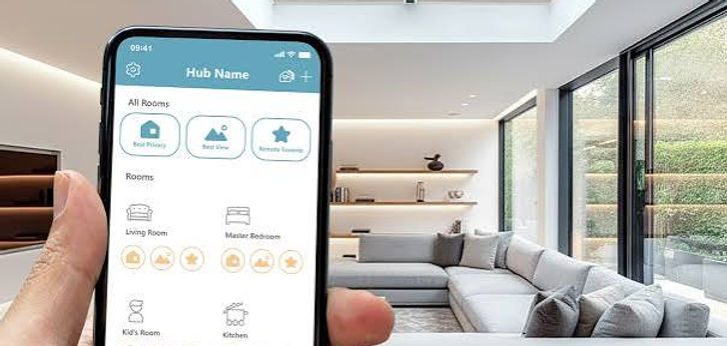
App Control via Bridge: Connects the window treatments to your Wi-Fi via a proprietary hub (like Lutron Caséta or Somfy TaHoma), allowing schedules and phone control. Smart Home Ecosystems: Ensure compatibility with platforms like Apple Home, Google Home, Amazon Alexa, or Home Assistant for voice commands and automation routines. Look for Matter or Zigbee/Z-Wave compatible motors for future-proof smart home integration.
Evaluate Key Selection Constraints
-
Window Size and Weight: Large or heavy treatments require stronger, louder, and more expensive motors.
-
Inside vs. Outside Mount: Inside mounts offer a cleaner look but require deep window frames. Outside mounts are necessary for shallow frames and block light leaks better at the edges.
-
Fabric and Material Transparency: Choose between sheer (diffuses light), semi-private (blocks views but lets light in), or blackout (ideal for bedrooms and media rooms).




Energy Efficiency
Window treatments provide energy efficiency primarily by controlling solar heat gain from the sun and creating an insulating air barrier that slows down heat transfer through the glass. By stopping summer heat from entering and winter warmth from escaping, they reduce the workload on your heating and cooling systems to lower utility bills.
Shutters
-
Solid Structural Barrier: Shutters feature a thick, rigid frame that fits tightly into the window casing, blocking radiant heat and significantly reducing airflow.
-
Trapped Air Pockets: Faux wood, composite, or hollow vinyl shutters feature layered or hollow cores that trap air directly inside the panels, mimicking the physics of a thermos.
-
Material Density: The sheer thickness of real wood or composite materials prevents outside temperatures from radiating into the room.
Blinds
-
Solar Reflection: Highly effective in summer; tilting the adjustable slats upward reflects harsh, direct sunlight back outside or toward the ceiling to reduce glare and heat gain.
-
Convective Interruption: When fully closed, modern wood or aluminum blinds with tight slat spacing block drafts and modestly slow down airflow near the glass.
Shades
-
Cellular Air Traps: Cellular (honeycomb) shades are the most energy-efficient option available; their hexagonal cells trap stationary air, creating a high-performance thermal barrier.
-
Layered Fiber Insulation: Roman shades and quilted roller shades utilize multiple layers of fabric and fiber batting to physical absorb and block temperature transfers.
-
Reflective Backings: Many solar and roller shades feature white or reflective outer backings designed specifically to bounce solar radiation away before it heats up the glass.
Drapes
-
Convective Loop Prevention: Dense fabric drapes block the "convective loop" (where warm room air hits cold window glass, cools down, drops to the floor, and forces your heater to run constantly).
-
Thermal Linings: Energy-efficient drapery incorporates special foam, felt, or reflective vapor-barrier liners that physically insulate against drafts.
-
Multi-Layer Stacking: Layering drapes over shades or shutters creates an extra pocket of dead air between the fabric and the window, exponentially increasing the window's total R-value.
Blinds, shades, shutters, and drapes are the four primary types of window treatments available for your home. Choosing the right one depends on your budget, privacy needs, and how much light you want to control.
🔎 Hard Window Treatments
-
Blinds: Feature adjustable slats that tilt to control light. They come in wood, faux wood, aluminum, and vinyl.
-
Shutters: Built permanently into the window frame. They offer premium durability, excellent insulation, and high resale value.
💡 Soft Window Treatments
-
Shades: Made of continuous fabric panels that roll or fold up. Popular styles include Roman, cellular (honeycomb), and roller shades.
-
Drapes and Curtains: Fabric panels hung from a rod. Curtains are usually lightweight and unlined, while drapes are thicker and block more light.
✨ Special Function Treatments
-
Solar Shades: Protect against UV rays and reduce glare without blocking your outside view.
-
Cellular Shades: Use a honeycomb design to trap air, providing the highest level of energy efficiency.
-
Motorized Treatments: Allow you to control light via a remote, smartphone app, or smart home assistant.
Types of Window Shades


How We Help You Specify The Right Window Shades
Identify Core Functionality
Define what the room requires most before looking at styles.
-
Light Control: Choose blackout linings for bedrooms, and light-filtering solar shades to reduce glare in home offices.
-
Privacy: Opt for top-down/bottom-up shades for street-facing windows, allowing light in while blocking views.
-
Insulation: Specify cellular (honeycomb) shades or heavy drapes with thermal linings to control energy costs.
-
Durability: Use faux wood blinds or aluminum shutters in high-humidity areas like kitchens and bathrooms.
Choose the Mounting Method
The window architecture dictates how the treatment should be installed.
-
Inside Mount: The treatment sits inside the window casing. It provides a clean, minimalist look but requires precise measurements and adequate depth.
-
Outside Mount: The treatment is fixed to the wall or trim outside the casing. This makes windows look larger, hides unattractive trim, and blocks more light.
Select the Treatment Type
Match the mechanism to the operation style of the room.
-
Drapes/Curtains: Best for visual warmth, framing views, and formal spaces.
-
Roman Shades: Soft fabric folds that offer a clean look with the texture of drapery.
-
Roller/Solar Shades: Low-profile, modern, and excellent for precise glare and UV protection.
-
Blinds/Shutters: Ideal for precise tilt-control over light and airflow.
Determine Operation and Control
Select how the treatments will be opened and closed daily.
-
Motorized/Smart: Essential for hard-to-reach windows, skylights, or modern smart homes.
-
Cordless: The safest standard choice for homes with children or pets.
-
Continuous Cord Loop: Best for heavy, oversized shades or tall drapery panels.
Take Precise Measurements
Always use a steel measuring tape and measure to the nearest 1/8 inch.
-
Width: Measure at the top, middle, and bottom. Record the smallest width for inside mounts; the largest for outside mounts.
-
Height: Measure at the left, middle, and right. Record the largest height.
-
Drapery Length: For a modern look, specify a hover (1/2 inch above the floor) or puddle (1-2 inches of fabric pooling on the floor).
.png)
Window Size & Coverage
Barndominiums and timber frame homes often have tall rooms and windows well above normal reach. That is why we provide professional measuring and installation, so that even the hardest-to-reach windows in the house get a treatment that actually works day to day.

Controls & Privacy
Blackout, light filtering, and solar screen fabrics all behave very differently, and the right choice depends on the room. Our design consultants can assess your specific light exposure and privacy needs during a home measurement appointment.
.png)
Automation
If you're already planning a smart home system for the property, your window shades should be part of that plan, not an afterthought bolted on later. This ties directly into our home automation offering, and we coordinate so shades, lighting, and everything else run through the same hub and app.

Energy Performance
On a home with a lot of glass, cellular and insulating shade options aren't just a comfort upgrade, they're a real factor in heating and cooling costs. We help you weigh where insulating fabrics make the most sense versus where a lighter, more decorative option is the better call.

Fabric, Color, Finish
Every shade should feel like it belongs in the room rather than added on afterward, so we match each one to the design direction already at work there.

Specialty Applications
Arched windows, skylights, sliding glass doors, and outdoor patio spaces all need their own approach, and not every fabricator handles them well. We do.

Measurement and Fit
A shade that's off by even a small margin either won't close properly, won't clear the trim, or just looks wrong hanging on the wall. Made-to-measure accuracy is worth its own conversation before anything gets ordered, which is exactly why professional measurement is part of how we work.

Safety
Cordless and child-safe operation matters in every home with kids, grandkids, or pets running around, and it's a standard we build into every recommendation rather than an upsell.

Energy Savings
. High-efficiency options like cellular (honeycomb) shades, insulated drapes, and tightly fitted shutters reduce unwanted heat transfer through glass by up to 40% when properly installed and operated.

Why Window Shades Matter in High-End Home Design
Window shades matter in high-end home design because they seamlessly fuse architectural aesthetics with advanced environmental controls, UV protection, and home automation.
Far from being a mere afterthought, upscale window treatments are eye-level design priorities that establish the mood, protect expensive interior assets, and manage a home's thermal efficiency.
Elevating the Visual Architecture
-
In high-end properties, window coverings serve as crucial visual anchors.
-
Minimalist Integration: Premium designs rely heavily on custom "shade pockets" built directly into the ceiling. When raised, automated roller shades entirely disappear from sight to maintain pure, uninterrupted architectural lines.
Softening Hard Surfaces:
-
Modern architecture frequently utilizes steel, concrete, stone, and massive glass panes. Sophisticated drapery and fabric choices, such as high-end linen or custom Roman shades, add essential texture, warmth, and depth to otherwise cold surfaces.
Framing the View:
-
High-end luxury properties are often built around specific vistas. Specialized solar screens preserve panoramic outdoor views while eliminating blinding daylight glare.
Protecting Interior Masterpieces
-
Luxury properties feature premium finishes that require deliberate preservation from direct sunlight.
Preserving Flooring and Furnishings:
-
Hardwood floors, custom cabinetry, exotic rugs, and bespoke furniture quickly warp and fade under unmitigated sunlight.
Shielding Fine Art:
-
High-value paintings and gallery pieces are highly sensitive to solar radiation. Premium sheers and light-filtering shadings offer specialized UV protection to shield delicate investments.
Enhancing Thermal and Acoustic Comfort
-
Large windows and grand spaces naturally face significant indoor climate fluctuations.
Thermal Regulation:
Windows are historically the weakest link in a building's envelope. Tightly installed, premium cellular honeycomb shades trap air inside specialized pockets, reducing heat loss by up to 40% or more during winter and dramatically deflecting heat gain in the summer.
Acoustic Dampening:
Grand spaces with tall ceilings and hard surfaces amplify sound echoing. Multi-layered fabrics and acoustic shades actively absorb echoes to cultivate a quiet, tranquil home environment.
-
Seamless Smart Home Ecosystems Modern luxury is built around invisible, automated convenience.
Automated Scheduling:
-
Premium motorized systems connect seamlessly with central automation systems like Crestron, Savant, or Control4. Homeowners can program shades to automatically track the sun's position, lower during peak heat hours, or open gently with a morning alarm.
Effortless Control:
-
Hard-to-reach or exceptionally large windows are easily managed. Motorized units are operated via sleek, wall-mounted keypads, smartphone apps, or voice commands integrated with home assistants.
